Feature
-
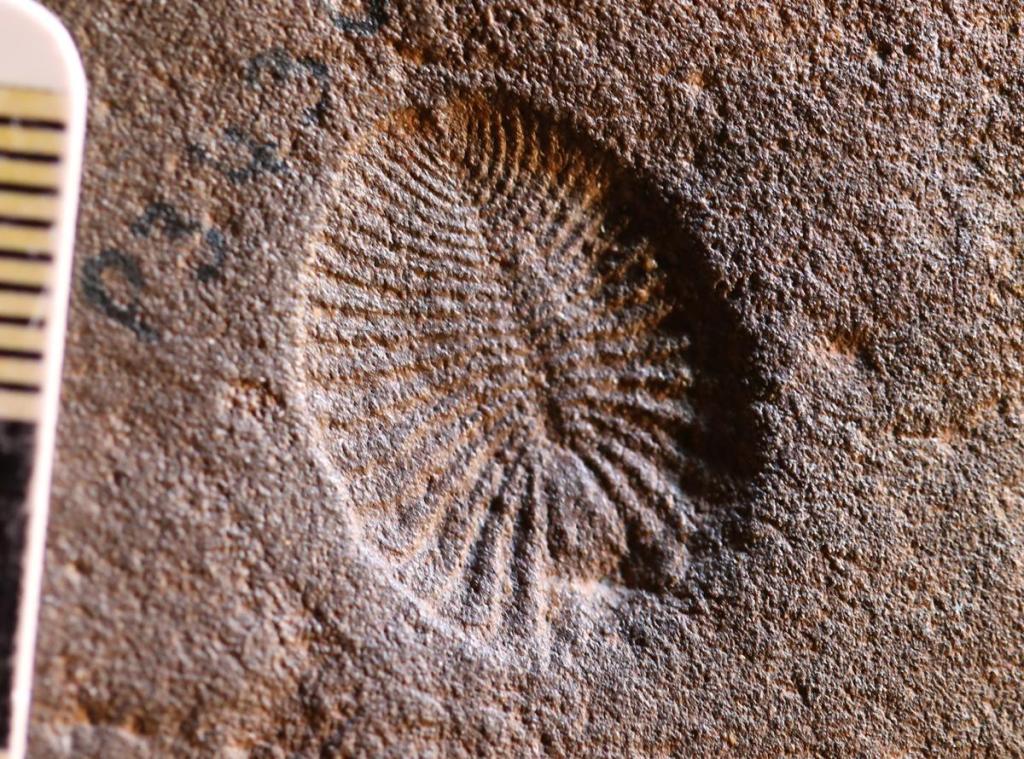
New collaboration: an Ediacaran mass extinction?
Large organisms whose fossils can reasonably be interpreted as animals did not evolve until late in the Ediacaran period, more than four billion years after the Earth formed. It’s sometimes claimed that these represented the first “complex life” but there’s really nothing simple about bacteria, archaea, algae or fungi, which were already well established and hugely…
-

Astrobiology before “astrobiologists”: a potted history
Astrobiologists aim to work out how life fits into the wider universe, uniting biology with the planetary and space sciences to draw a unified picture of the cosmos and our place in it. This ambition is, of course, far older than the discipline itself. The atomist philosopher Anaxagoras (c. 510–c. 428 BC) was perhaps the…
-
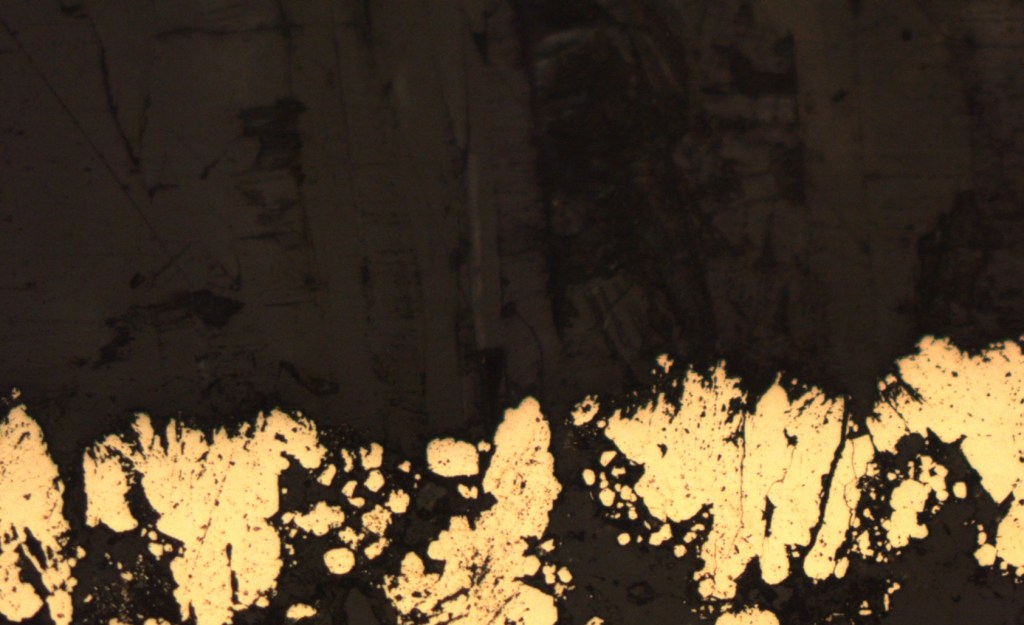
New paper: could we find life’s fingerprints in mineral veins on Mars?
This blog post discusses a new article that my colleagues and I recently published in the journal, Astrobiology. Those with access to this journal can find the article here. Life on Earth is not limited to the planet’s surface, but reaches high into the atmosphere and deep underground. In the darkness, miles beneath our feet,…
 Sean McMahon