-
Originally posted on The Conversation Just over a year ago, Nasa made a remarkable announcement. The Perseverance rover had found potential signs of ancient life on Mars. Now, the technical details behind that discovery have been published in a Nature paper that, despite its rather modest wording, may ultimately prove to be among the most significant in the history…
-
Nasa has announced the first detection of possible biosignatures in a rock on the surface of Mars. The rock contains the first martian organic matter to be decisively detected by the Perseverance rover, as well as curious discoloured spots that could indicate the past activity of microorganisms. Ken Farley, project scientist on the mission, has…
-
The text below is adapted from some writing I submitted for assessment while studying for the Postgraduate Certificate in Academic Practice at the University of Edinburgh. Our task for the assignment was to reflect on our “identities” as academics while referring to the published literature on this topic. A senior colleague (who is really a…
-
I am pleased to offer a PhD position at the University of Edinburgh with Valentina Erastova (lead supervisor) and myself (co-supervisor). The successful candidate will belong both to the School of Chemistry (Erastova Group) and to the Planetary Palaeobiology Group in the UK Centre for Astrobiology. Project title: Understanding interactions between minerals and small biopolymers…
-
This blog was written for the Institute of Art and Ideas and can be found on their website here On the Ides of March in 44 BC, Julius Caesar was murdered on the steps of the Senate Chamber in Rome. As he collapsed amid the folds of his blood-soaked toga, his lungs released their final…
-
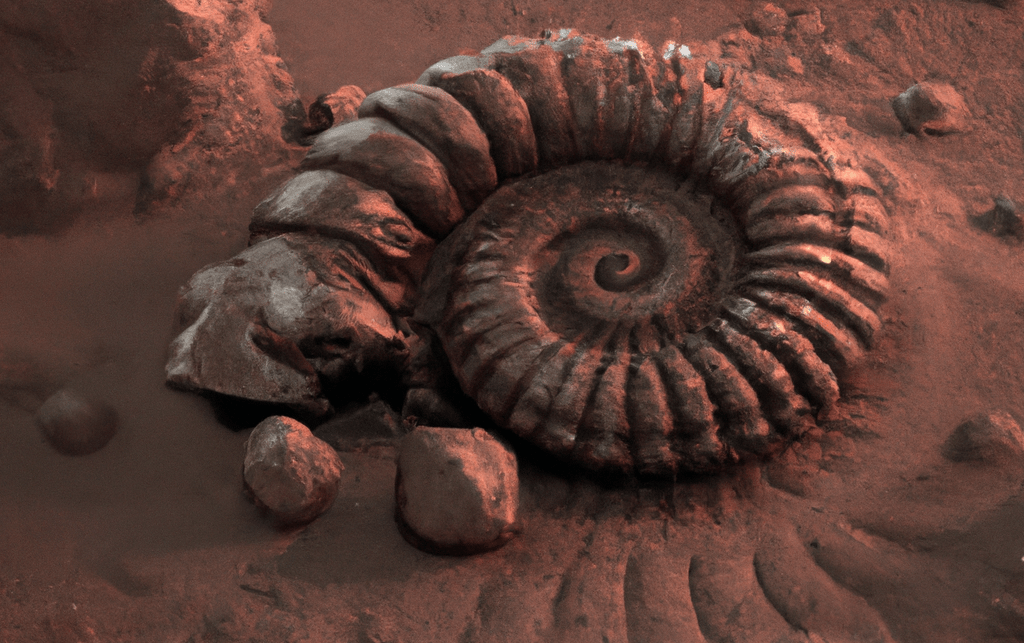
Now that 2022 is nearly 60% complete it seemed past time to update my blog with some recent publications. So far this year my work has continued to focus on major topics in astrobiology: the origin of life, habitability, and the recognition of “false positives” in the search for life on Mars. At the beginning…
-
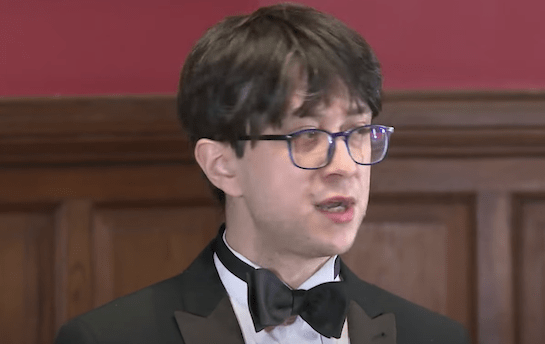
In February this year I had the privilege of speaking at the Oxford Union, a well known debating society run by students of my alma mater. I was invited to oppose the motion “This House Would Populate Mars” in an evening debate. I opposed the motion for three reasons: the extreme unpleasantness of human life…
-
As part of my studies towards a formal qualification in “academic practice”, I was required to compose “a personal reflection on leadership styles and approaches to leadership in higher education”. The following screed resulted. There must be such a thing as leadership style, since anybody in a position of leadership (whatever that means) is going…
-
This post is about a new Leverhulme Trust Research Project Grant led by Peter Vickers at Durham, which I am participating in as a co-investigator. Job adverts for a three-year funded PhD student and two-year funded postdoc to follow! Astrobiology blends planetary science, astronomy, and biology, and shares their methods. But compared to scientists working…
-
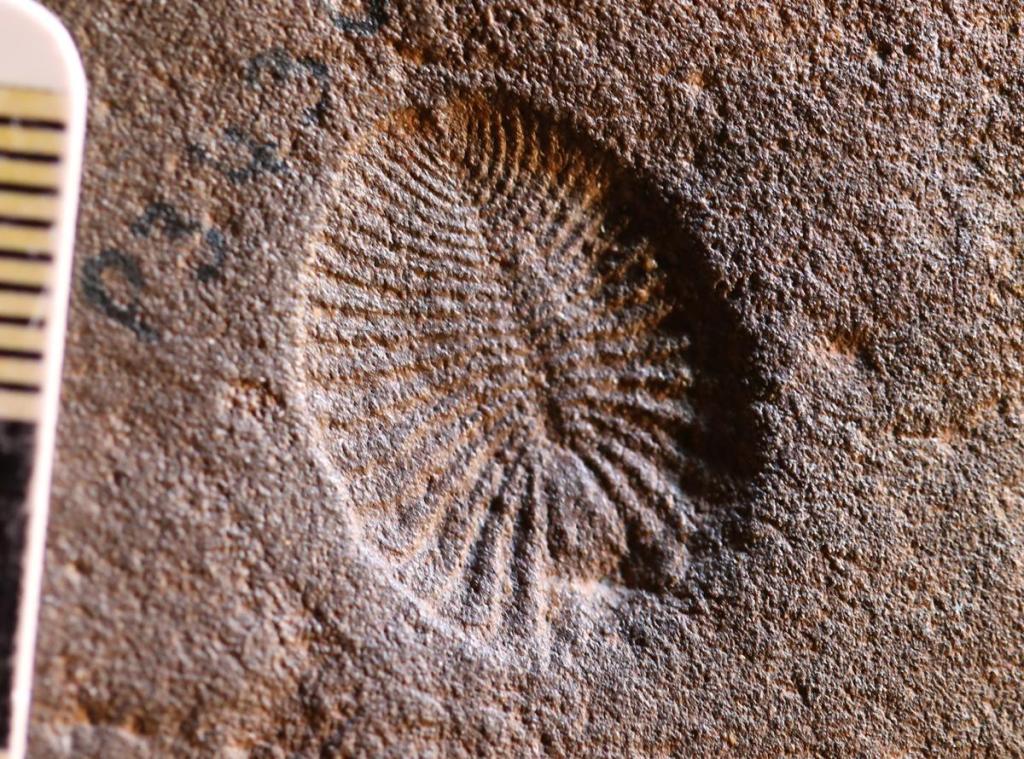
Large organisms whose fossils can reasonably be interpreted as animals did not evolve until late in the Ediacaran period, more than four billion years after the Earth formed. It’s sometimes claimed that these represented the first “complex life” but there’s really nothing simple about bacteria, archaea, algae or fungi, which were already well established and hugely…
-
Subscribe
Subscribed
Already have a WordPress.com account? Log in now.
 Sean McMahon